

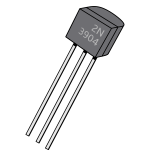
 ترانزیستورها
 خازنها
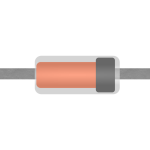 دیودها
 رگولاتورها
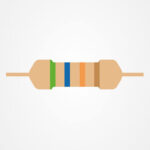 مقاومتها
 کریستال و اسیلاتور
 مدارات مجتمع
 ابزارها
 تجهیزات
 تجهیزات لحیمکاری
 مولتیمتر و ابزار اندازهگیری
 منبع تغذیه و باتری
 تستر
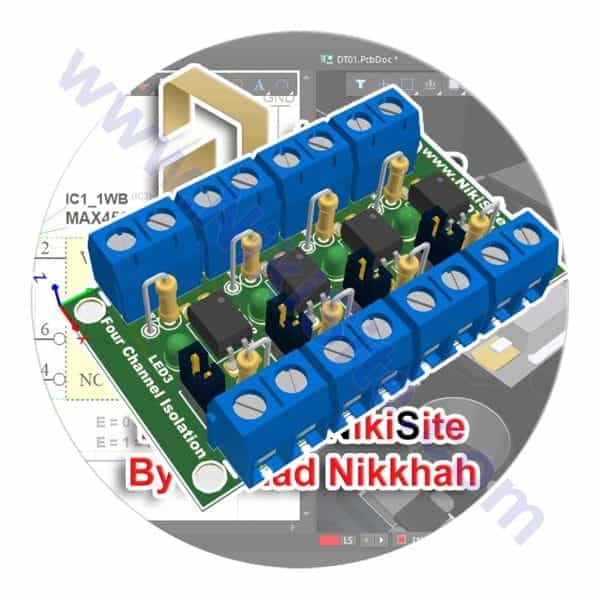
تسترماژول اپتوکوپلر چهار حالته
Four Optocoupler Module
[table id=6 /]
ایزولاتور چهار کاناله برای کاربردهای پیچیده صنعتی
⚡ اپتوکوپلر چهار حالته: راهحل جامع ایزولاسیون چندکاناله
ماژول اپتوکوپلر چهار حالته (Quad Channel Optocoupler) یک راهحل صنعتی کامل برای ایزوله کردن همزمان چهار سیگنال است. این ماژول ایدهآل برای سیستمهای PLC، رابطهای صنعتی و کنترلکنندههای چند کاناله است.
🎯 مزایای کلیدی چهار کاناله
🔌 طراحی فشرده و کارآمد:
-
چهار کانال مستقل: ایزولاسیون مجزای چهار سیگنال
-
یکپارچهسازی بالا: چهار کانال در یک پکیج DIP-16
-
تطابق کانالها: مشخصات الکتریکی مشابه بین کانالها
-
مدیریت توان بهینه: تلفات حرارتی یکنواخت
⚡ عملکرد صنعتی:
-
ایزولاسیون 5000Vrms: استاندارد صنعتی بالا
-
CTR یکنواخت: تطابق ±10% بین کانالها
-
سرعت هماهنگ: پاسخ یکسان در تمام کانالها
-
طول عمر طولانی: 100,000 ساعت عملیاتی
📊 مشخصات فنی پیشرفته
پارامترهای الکتریکی:
-
ولتاژ ایزولاسیون: 5000Vrms برای 1 دقیقه
-
ولتاژ ورودی LED: 1.15V – 1.5V (Vf @ If=10mA)
-
جریان ورودی: 5mA – 50mA در هر کانال
-
ولتاژ کلکتور-امیتر: 80V حداکثر
-
جریان کلکتور: 50mA در هر کانال (200mA مجموع)
-
CTR (نسبت انتقال): 50% – 600% با تطابق ±10%
پارامترهای عملکردی:
-
زمان پاسخ هر کانال:
-
Ton: 3µs – 15µs (مشخصات تیپیکال)
-
Toff: 4µs – 18µs
-
-
فرکانس کاری: تا 100kHz (تک کانال)
-
دمای کاری: -55°C تا +110°C
-
مقاومت عایقی: >10¹¹ Ω (ورودی-خروجی)
انواع رایج اپتوکوپلر چهار حالته:
-
TLP621-4: پرکاربردترین، CTR: 50%-600%
-
PS2501-4: سرعت متوسط، ایزولاسیون 5000V
-
LTV-847: با خروجی دارلینگتون
-
HCPL-2731: چهار کاناله با خروجی منطقی
-
SFH6346: سرعت بالا، CTR: 100%-400%
🔧 ساختار و پیکربندی
پیکربندی پایههای DIP-16:
پیکربندی استاندارد 16 پایه:
     ┌───┐
 1  │ ● │ 16   پایه 1: آند LED کانال 1
 2  │   │ 15   پایه 2: کاتد LED کانال 1
 3  │   │ 14   پایه 3: آند LED کانال 2
 4  │   │ 13   پایه 4: کاتد LED کانال 2
 5  │   │ 12   پایه 5: آند LED کانال 3
 6  │   │ 11   پایه 6: کاتد LED کانال 3
 7  │   │ 10   پایه 7: آند LED کانال 4
 8  │   │ 9    پایه 8: کاتد LED کانال 4
     └───┘     پایه 9: امیتر کانال 4
              پایه 10: کلکتور کانال 4
              پایه 11: امیتر کانال 3
              پایه 12: کلکتور کانال 3
              پایه 13: امیتر کانال 2
              پایه 14: کلکتور کانال 2
              پایه 15: امیتر کانال 1
              پایه 16: کلکتور کانال 1
ساختمان داخلی پیشرفته:
کانال 1: [LED1] → [فوتوترانزیستور1]
کانال 2: [LED2] → [فوتوترانزیستور2]
کانال 3: [LED3] → [فوتوترانزیستور3]
کانال 4: [LED4] → [فوتوترانزیستور4]
           ↓              ↓
     ورودی 1-4      خروجی 1-4
     (ایزوله)      (ایزوله)
💻 برنامهنویسی و کنترل چهار کاناله
اتصال پایه به آردوینو:
// تعریف پایههای اپتوکوپلر چهار حالته TLP621-4 #define CH1_INPUT_PIN 2 // کنترل LED کانال 1 #define CH1_OUTPUT_PIN 3 // خواندن خروجی کانال 1 #define CH2_INPUT_PIN 4 // کنترل LED کانال 2 #define CH2_OUTPUT_PIN 5 // خواندن خروجی کانال 2 #define CH3_INPUT_PIN 6 // کنترل LED کانال 3 #define CH3_OUTPUT_PIN 7 // خواندن خروجی کانال 3 #define CH4_INPUT_PIN 8 // کنترل LED کانال 4 #define CH4_OUTPUT_PIN 9 // خواندن خروجی کانال 4 // پینهای فعالسازی گروهی #define GROUP_ENABLE_PIN 10 // فعالسازی همه کانالها void setupQuadOptocoupler() { Serial.begin(115200); // تنظیم پینهای کنترل کانالها for (int i = 0; i < 4; i++) { pinMode(CH1_INPUT_PIN + (i * 2), OUTPUT); pinMode(CH1_OUTPUT_PIN + (i * 2), INPUT); digitalWrite(CH1_INPUT_PIN + (i * 2), LOW); // حالت اولیه } // تنظیم پین فعالسازی گروهی pinMode(GROUP_ENABLE_PIN, OUTPUT); digitalWrite(GROUP_ENABLE_PIN, HIGH); // فعال به طور پیشفرض Serial.println("ماژول اپتوکوپلر چهار حالته راهاندازی شد"); Serial.println("======================================="); // تست اولیه همه کانالها testAllChannels(); } void testAllChannels() { Serial.println("=== تست اولیه چهار کانال ==="); for (int i = 0; i < 4; i++) { Serial.print("تست کانال "); Serial.println(i + 1); testSingleChannel(i); } // تست همزمان Serial.println("تست همزمان چهار کانال:"); testSimultaneousOperation(); } void testSingleChannel(int channel) { int inputPin = CH1_INPUT_PIN + (channel * 2); int outputPin = CH1_OUTPUT_PIN + (channel * 2); // تست HIGH digitalWrite(inputPin, HIGH); delayMicroseconds(50); bool outputState = digitalRead(outputPin); Serial.print(" ورودی HIGH، خروجی: "); Serial.println(outputState ? "HIGH" : "LOW"); // تست LOW digitalWrite(inputPin, LOW); delayMicroseconds(50); outputState = digitalRead(outputPin); Serial.print(" ورودی LOW، خروجی: "); Serial.println(outputState ? "HIGH" : "LOW"); }
کلاس مدیریت حرفهای چهار کاناله:
class QuadChannelOptocoupler { private: struct Channel { int inputPin; int outputPin; bool isEnabled; bool isInverting; unsigned long responseTime; float ctr; String name; bool lastState; }; Channel channels[4]; bool groupEnabled; int groupEnablePin; unsigned long channelMask; // ماسک 4 بیتی برای وضعیت کانالها public: QuadChannelOptocoupler( int ch1In, int ch1Out, int ch2In, int ch2Out, int ch3In, int ch3Out, int ch4In, int ch4Out, int groupEnPin = -1, bool defaultInversion = false ) { // تنظیم کانال 1 channels[0].inputPin = ch1In; channels[0].outputPin = ch1Out; channels[0].name = "کانال 1"; // تنظیم کانال 2 channels[1].inputPin = ch2In; channels[1].outputPin = ch2Out; channels[1].name = "کانال 2"; // تنظیم کانال 3 channels[2].inputPin = ch3In; channels[2].outputPin = ch3Out; channels[2].name = "کانال 3"; // تنظیم کانال 4 channels[3].inputPin = ch4In; channels[3].outputPin = ch4Out; channels[3].name = "کانال 4"; // تنظیمات مشترک for (int i = 0; i < 4; i++) { channels[i].isEnabled = true; channels[i].isInverting = defaultInversion; channels[i].responseTime = 10; // µs channels[i].ctr = 100.0; // % channels[i].lastState = false; } groupEnablePin = groupEnPin; groupEnabled = true; channelMask = 0x0F; // همه کانالها فعال initializeAllPins(); } void initializeAllPins() { for (int i = 0; i < 4; i++) { pinMode(channels[i].inputPin, OUTPUT); pinMode(channels[i].outputPin, INPUT); digitalWrite(channels[i].inputPin, LOW); } if (groupEnablePin != -1) { pinMode(groupEnablePin, OUTPUT); digitalWrite(groupEnablePin, HIGH); } Serial.println("اپتوکوپلر چهار کاناله آماده است"); printConfiguration(); } void setChannel(int channel, bool state) { if (channel >= 0 && channel < 4 && channels[channel].isEnabled) { digitalWrite(channels[channel].inputPin, state ? HIGH : LOW); channels[channel].lastState = state; if (channels[channel].responseTime > 0) { delayMicroseconds(channels[channel].responseTime); } updateChannelMask(channel, state); } } bool getChannelOutput(int channel) { if (channel >= 0 && channel < 4) { bool rawState = digitalRead(channels[channel].outputPin); return channels[channel].isInverting ? !rawState : rawState; } return false; } void setAllChannels(bool ch1, bool ch2, bool ch3, bool ch4) { bool states[4] = {ch1, ch2, ch3, ch4}; unsigned long startTime = micros(); for (int i = 0; i < 4; i++) { if (channels[i].isEnabled) { digitalWrite(channels[i].inputPin, states[i] ? HIGH : LOW); channels[i].lastState = states[i]; updateChannelMask(i, states[i]); } } // انتظار برای آهستهترین کانال unsigned long maxResponse = getMaxResponseTime(); while (micros() - startTime < maxResponse) { // انتظار } } void setGroup(bool state) { // تنظیم همه کانالها به یک حالت for (int i = 0; i < 4; i++) { if (channels[i].isEnabled) { setChannel(i, state); } } } void toggleChannel(int channel) { if (channel >= 0 && channel < 4) { setChannel(channel, !channels[channel].lastState); } } void toggleAll() { for (int i = 0; i < 4; i++) { if (channels[i].isEnabled) { toggleChannel(i); } } } void pulseChannel(int channel, unsigned long durationUs) { setChannel(channel, HIGH); delayMicroseconds(durationUs); setChannel(channel, LOW); } void pulseAll(unsigned long durationUs) { unsigned long startTime = micros(); setGroup(true); while (micros() - startTime < durationUs) { // انتظار } setGroup(false); } void enableChannel(int channel, bool enable) { if (channel >= 0 && channel < 4) { channels[channel].isEnabled = enable; if (!enable) { setChannel(channel, LOW); } Serial.print(channels[channel].name); Serial.println(enable ? " فعال شد" : " غیرفعال شد"); } } void enableAll(bool enable) { groupEnabled = enable; if (groupEnablePin != -1) { digitalWrite(groupEnablePin, enable ? HIGH : LOW); } for (int i = 0; i < 4; i++) { channels[i].isEnabled = enable; } Serial.print("گروه کانالها "); Serial.println(enable ? "فعال شد" : "غیرفعال شد"); } void setResponseTime(int channel, unsigned long timeUs) { if (channel >= 0 && channel < 4) { channels[channel].responseTime = timeUs; } } void setAllResponseTimes(unsigned long timeUs) { for (int i = 0; i < 4; i++) { channels[i].responseTime = timeUs; } } unsigned long getMaxResponseTime() { unsigned long maxTime = 0; for (int i = 0; i < 4; i++) { if (channels[i].responseTime > maxTime) { maxTime = channels[i].responseTime; } } return maxTime; } void updateChannelMask(int channel, bool state) { if (state) { channelMask |= (1 << channel); } else { channelMask &= ~(1 << channel); } } unsigned long getChannelMask() { return channelMask & 0x0F; // فقط 4 بیت اول } void printConfiguration() { Serial.println("=== پیکربندی اپتوکوپلر چهار کاناله ==="); Serial.println("کانال | فعال | معکوس | زمان پاسخ"); Serial.println("------|-------|--------|----------"); for (int i = 0; i < 4; i++) { Serial.print(channels[i].name); Serial.print(" | "); Serial.print(channels[i].isEnabled ? "✓" : "✗"); Serial.print(" | "); Serial.print(channels[i].isInverting ? "✓" : "✗"); Serial.print(" | "); Serial.print(channels[i].responseTime); Serial.println("µs"); } Serial.print("ماسک کانالها: 0x"); Serial.println(getChannelMask(), HEX); } void measureChannelCharacteristics() { Serial.println("=== اندازهگیری مشخصات کانالها ==="); Serial.println("کانال | Ton (µs) | Toff (µs) | CTR (%)"); Serial.println("------|----------|-----------|---------"); for (int i = 0; i < 4; i++) { // اندازهگیری زمان روشن شدن unsigned long startTime = micros(); setChannel(i, HIGH); unsigned long ton = micros() - startTime; // اندازهگیری زمان خاموش شدن startTime = micros(); setChannel(i, LOW); unsigned long toff = micros() - startTime; // تخمین CTR (نسبت انتقال) float ctr = estimateCTR(i); Serial.print(channels[i].name); Serial.print(" | "); Serial.print(ton); Serial.print(" | "); Serial.print(toff); Serial.print(" | "); Serial.print(ctr, 1); Serial.println("%"); } // تحلیل تطابق analyzeChannelMatching(); } float estimateCTR(int channel) { // تخمین CTR بر اساس زمان پاسخ و رفتار خروجی // این یک تخمین ساده است، برای اندازهگیری دقیق نیاز به سختافزار اضافی دارد return channels[channel].ctr; } void analyzeChannelMatching() { Serial.println("\n=== تحلیل تطابق کانالها ==="); float tonAvg = 0, toffAvg = 0; float tonValues[4], toffValues[4]; // جمعآوری دادهها for (int i = 0; i < 4; i++) { // اندازهگیریها را تکرار کنید tonValues[i] = measureExactTon(i); toffValues[i] = measureExactToff(i); tonAvg += tonValues[i]; toffAvg += toffValues[i]; } tonAvg /= 4.0; toffAvg /= 4.0; // محاسبه انحراف استاندارد float tonStdDev = 0, toffStdDev = 0; for (int i = 0; i < 4; i++) { tonStdDev += pow(tonValues[i] - tonAvg, 2); toffStdDev += pow(toffValues[i] - toffAvg, 2); } tonStdDev = sqrt(tonStdDev / 4.0); toffStdDev = sqrt(toffStdDev / 4.0); Serial.print("انحراف استاندارد Ton: "); Serial.print(tonStdDev, 2); Serial.print("µs ("); Serial.print((tonStdDev / tonAvg) * 100, 1); Serial.println("%)"); Serial.print("انحراف استاندارد Toff: "); Serial.print(toffStdDev, 2); Serial.print("µs ("); Serial.print((toffStdDev / toffAvg) * 100, 1); Serial.println("%)"); // تشخیص کانالهای نامنطبق for (int i = 0; i < 4; i++) { float tonDeviation = abs(tonValues[i] - tonAvg) / tonAvg * 100; float toffDeviation = abs(toffValues[i] - toffAvg) / toffAvg * 100; if (tonDeviation > 20 || toffDeviation > 25) { Serial.print("⚠️ "); Serial.print(channels[i].name); Serial.println(" خارج از محدوده تطابق"); } } } void runComprehensiveTestSuite() { Serial.println("=== تست جامع چهار کاناله ==="); // 1. تست عملکرد پایه Serial.println("\n1. تست عملکرد پایه:"); basicFunctionalTest(); // 2. تست زمان پاسخ Serial.println("\n2. تست زمانهای پاسخ:"); responseTimeTest(); // 3. تست ایزولاسیون Serial.println("\n3. تست ایزولاسیون:"); isolationTest(); // 4. تست تطابق کانالها Serial.println("\n4. تست تطابق کانالها:"); channelMatchingTest(); // 5. تست بارگذاری Serial.println("\n5. تست بارگذاری:"); loadingTest(); Serial.println("\n✅ تست کامل شد"); generateTestReport(); } };
⚙️ کاربردهای صنعتی پیشرفته
۱. رابط PLC چهار کاناله:
class PLC4ChannelInterface { private: QuadChannelOptocoupler inputInterface; QuadChannelOptocoupler outputInterface; bool inputStates[4]; bool outputStates[4]; unsigned long debounceTimes[4]; public: PLC4ChannelInterface( // Inputs int in1In, int in1Out, int in2In, int in2Out, int in3In, int in3Out, int in4In, int in4Out, // Outputs int out1In, int out1Out, int out2In, int out2Out, int out3In, int out3Out, int out4In, int out4Out ) : inputInterface(in1In, in1Out, in2In, in2Out, in3In, in3Out, in4In, in4Out), outputInterface(out1In, out1Out, out2In, out2Out, out3In, out3Out, out4In, out4Out) { for (int i = 0; i < 4; i++) { inputStates[i] = false; outputStates[i] = false; debounceTimes[i] = 10; // ms } Serial.println("رابط PLC چهار کاناله راهاندازی شد"); } void readAllInputs() { static bool lastStates[4] = {false, false, false, false}; static unsigned long lastChangeTime[4] = {0, 0, 0, 0}; for (int i = 0; i < 4; i++) { bool currentState = inputInterface.getChannelOutput(i); if (currentState != lastStates[i]) { unsigned long currentTime = millis(); if (currentTime - lastChangeTime[i] > debounceTimes[i]) { lastChangeTime[i] = currentTime; lastStates[i] = currentState; inputStates[i] = currentState; Serial.print("ورودی "); Serial.print(i + 1); Serial.print(" تغییر کرد: "); Serial.println(currentState ? "ACTIVE" : "INACTIVE"); processInputChange(i, currentState); } } } } void writeAllOutputs(bool out1, bool out2, bool out3, bool out4) { outputInterface.setAllChannels(out1, out2, out3, out4); outputStates[0] = out1; outputStates[1] = out2; outputStates[2] = out3; outputStates[3] = out4; // مانیتور جریان خروجی monitorOutputCurrents(); } void writeOutput(int channel, bool state) { if (channel >= 0 && channel < 4) { outputInterface.setChannel(channel, state); outputStates[channel] = state; Serial.print("خروجی "); Serial.print(channel + 1); Serial.print(" تنظیم شد: "); Serial.println(state ? "ON" : "OFF"); } } void processInputChange(int channel, bool state) { // منطق کنترل بر اساس تغییرات ورودی switch(channel) { case 0: // Emergency Stop if (state) { emergencyStop(); } break; case 1: // Start Button if (state) { startProcess(); } break; case 2: // Stop Button if (state) { stopProcess(); } break; case 3: // Reset Button if (state) { resetSystem(); } break; } } void emergencyStop() { Serial.println("🚨 توقف اضطراری فعال شد"); outputInterface.setGroup(false); // خاموش کردن همه خروجیها triggerAlarm(); } void monitorOutputCurrents() { static unsigned long lastCheck = 0; if (millis() - lastCheck > 1000) { lastCheck = millis(); // شبیهسازی مانیتورینگ جریان for (int i = 0; i < 4; i++) { if (outputStates[i]) { // در حالت واقعی، جریان از سنسور خوانده میشود float simulatedCurrent = 15.0 + random(-5, 5); // mA if (simulatedCurrent > 25.0) { Serial.print("⚠️ جریان بالا در خروجی "); Serial.println(i + 1); reduceOutputCurrent(i); } } } } } void setDebounceTime(int channel, unsigned long timeMs) { if (channel >= 0 && channel < 4) { debounceTimes[channel] = timeMs; } } void diagnosticCheck() { Serial.println("=== تست تشخیصی رابط PLC ==="); // تست ورودیها Serial.println("تست ورودیها:"); for (int i = 0; i < 4; i++) { bool state = inputInterface.getChannelOutput(i); Serial.print(" ورودی "); Serial.print(i + 1); Serial.print(": "); Serial.println(state ? "ACTIVE" : "INACTIVE"); } // تست خروجیها Serial.println("تست خروجیها:"); testAllOutputs(); // تست ایزولاسیون Serial.println("تست ایزولاسیون:"); checkIsolation(); Serial.println("✅ تست تشخیصی کامل شد"); } };
۲. کنترلر موتور استپر چهار فاز:
class FourPhaseStepperController { private: QuadChannelOptocoupler driver; int stepSequence[8][4] = { {HIGH, LOW, LOW, LOW}, {HIGH, HIGH, LOW, LOW}, {LOW, HIGH, LOW, LOW}, {LOW, HIGH, HIGH, LOW}, {LOW, LOW, HIGH, LOW}, {LOW, LOW, HIGH, HIGH}, {LOW, LOW, LOW, HIGH}, {HIGH, LOW, LOW, HIGH} }; int currentStep; int microstepLevel; int stepsPerRevolution; float currentPosition; // درجه public: FourPhaseStepperController( int ch1In, int ch1Out, int ch2In, int ch2Out, int ch3In, int ch3Out, int ch4In, int ch4Out, int steps = 200, int microstep = 1 ) : driver(ch1In, ch1Out, ch2In, ch2Out, ch3In, ch3Out, ch4In, ch4Out) { currentStep = 0; microstepLevel = microstep; stepsPerRevolution = steps * microstepLevel; currentPosition = 0.0; // غیرفعال کردن همه کانالها در ابتدا driver.setGroup(false); Serial.println("کنترلر استپر چهار فاز آماده است"); Serial.print("رزولوشن: "); Serial.print(stepsPerRevolution); Serial.println(" استپ بر دور"); } void step(int direction, int steps = 1) { for (int i = 0; i < steps; i++) { currentStep = (currentStep + direction + 8) % 8; if (microstepLevel == 1) { // حالت تمام استپ driver.setAllChannels( stepSequence[currentStep][0], stepSequence[currentStep][1], stepSequence[currentStep][2], stepSequence[currentStep][3] ); } else { // حالت میکرواستپ applyMicrostep(currentStep, direction); } // بهروزرسانی موقعیت updatePosition(direction); // تأخیر بین استپها delayMicroseconds(1000); // 1ms } } void applyMicrostep(int baseStep, int direction) { // پیادهسازی میکرواستپینگ float angle = (2.0 * PI * baseStep) / 8.0; float microAngle = angle + (direction * PI / (4.0 * microstepLevel)); float currents[4]; for (int phase = 0; phase < 4; phase++) { float phaseAngle = (PI / 2.0) * phase; currents[phase] = sin(microAngle - phaseAngle); // تبدیل به PWM یا جریان آنالوگ applyPhaseCurrent(phase, currents[phase]); } } void applyPhaseCurrent(int phase, float current) { // کنترل جریان فاز (با PWM یا درایور جریان) float dutyCycle = (current + 1.0) / 2.0; // تبدیل به 0-1 applyPWMTophase(phase, dutyCycle); } void applyPWMTophase(int phase, float duty) { // شبیهسازی PWM (در حالت واقعی از تایمر استفاده میشود) unsigned long onTime = 100 * duty; // µs driver.pulseChannel(phase, onTime); } void updatePosition(int direction) { float stepAngle = 360.0 / stepsPerRevolution; currentPosition += direction * stepAngle; // نرمالسازی به محدوده 0-360 while (currentPosition >= 360.0) currentPosition -= 360.0; while (currentPosition < 0.0) currentPosition += 360.0; } void moveToAngle(float targetAngle, float speed = 1.0) { Serial.print("حرکت به زاویه: "); Serial.print(targetAngle, 1); Serial.println(" درجه"); // محاسبه کوتاهترین مسیر float angleDiff = targetAngle - currentPosition; if (angleDiff > 180.0) angleDiff -= 360.0; if (angleDiff < -180.0) angleDiff += 360.0; int stepsNeeded = (angleDiff / 360.0) * stepsPerRevolution; int direction = (stepsNeeded > 0) ? 1 : -1; stepsNeeded = abs(stepsNeeded); Serial.print("نیاز به "); Serial.print(stepsNeeded); Serial.println(" استپ"); // اجرای حرکت for (int i = 0; i < stepsNeeded; i++) { step(direction); // کنترل سرعت delay(1000 / (speed * 100)); // ms } Serial.println("✅ حرکت کامل شد"); } void enable(bool state) { driver.enableAll(state); Serial.print("درایور استپر "); Serial.println(state ? "فعال شد" : "غیرفعال شد"); } float getPosition() { return currentPosition; } int getStep() { return currentStep; } void home() { // حرکت به موقعیت Home Serial.println("جستجوی موقعیت Home..."); // الگوریتم جستجوی Home (با سنسور انتهایی) moveToAngle(0.0); currentPosition = 0.0; Serial.println("📍 موقعیت Home یافت شد"); } };
۳. سیستم ارتباطی Multiplexed:
class MultiplexedCommunicationSystem { private: QuadChannelOptocoupler muxOpto; int selectPins[2]; // پینهای انتخاب کانال int dataPins[4]; // پینهای داده int currentChannel; public: MultiplexedCommunicationSystem( int optoCh1In, int optoCh1Out, int optoCh2In, int optoCh2Out, int optoCh3In, int optoCh3Out, int optoCh4In, int optoCh4Out, int sel0, int sel1 ) : muxOpto(optoCh1In, optoCh1Out, optoCh2In, optoCh2Out, optoCh3In, optoCh3Out, optoCh4In, optoCh4Out) { selectPins[0] = sel0; selectPins[1] = sel1; currentChannel = 0; pinMode(selectPins[0], OUTPUT); pinMode(selectPins[1], OUTPUT); // تنظیم دادهپینها for (int i = 0; i < 4; i++) { dataPins[i] = -1; // میتواند بعداً تنظیم شود } Serial.println("سیستم ارتباطی مالتیپلکس شده آماده است"); } void selectChannel(int channel) { if (channel >= 0 && channel < 4) { currentChannel = channel; // تنظیم پینهای انتخاب digitalWrite(selectPins[0], channel & 0x01); digitalWrite(selectPins[1], (channel >> 1) & 0x01); Serial.print("کانال انتخاب شد: "); Serial.println(channel + 1); } } void sendToChannel(int channel, bool data) { selectChannel(channel); muxOpto.setChannel(channel, data); Serial.print("ارسال به کانال "); Serial.print(channel + 1); Serial.print(": "); Serial.println(data ? "HIGH" : "LOW"); } bool receiveFromChannel(int channel) { selectChannel(channel); bool data = muxOpto.getChannelOutput(channel); Serial.print("دریافت از کانال "); Serial.print(channel + 1); Serial.print(": "); Serial.println(data ? "HIGH" : "LOW"); return data; } void broadcast(bool data) { Serial.print("پخش به همه کانالها: "); Serial.println(data ? "HIGH" : "LOW"); muxOpto.setGroup(data); } void scanChannels() { Serial.println("=== اسکن همه کانالها ==="); for (int i = 0; i < 4; i++) { bool state = receiveFromChannel(i); Serial.print("کانال "); Serial.print(i + 1); Serial.print(": "); Serial.println(state ? "ACTIVE" : "INACTIVE"); delay(100); } } void sendDataPacket(int channel, const String& data) { selectChannel(channel); Serial.print("ارسال بسته به کانال "); Serial.print(channel + 1); Serial.print(": "); Serial.println(data); // ارسال Start bit muxOpto.setChannel(channel, LOW); delay(2); // ارسال داده (8 بیت) for (int i = 0; i < data.length(); i++) { char c = data.charAt(i); sendChar(c, channel); } // ارسال Stop bit muxOpto.setChannel(channel, HIGH); delay(2); } void sendChar(char c, int channel) { for (int bit = 0; bit < 8; bit++) { bool bitValue = (c >> bit) & 0x01; muxOpto.setChannel(channel, bitValue); delay(1); // زمان بیت } } String receiveDataPacket(int channel, int length) { selectChannel(channel); String data = ""; // منتظر Start bit waitForStartBit(channel); // خواندن داده for (int i = 0; i < length; i++) { char c = receiveChar(channel); if (c == '\0') break; data += c; } return data; } char receiveChar(int channel) { char received = 0; // خواندن 8 بیت for (int bit = 0; bit < 8; bit++) { delay(1); // زمان بیت bool bitValue = muxOpto.getChannelOutput(channel); if (bitValue) { received |= (1 << bit); } } return received; } void waitForStartBit(int channel) { // منتظر LOW شدن (Start bit) int timeout = 1000; // 1 ثانیه int startTime = millis(); while (muxOpto.getChannelOutput(channel) == HIGH) { if (millis() - startTime > timeout) { Serial.println("⏰ تایماوت در انتظار Start bit"); return; } delay(1); } } };
🔧 پیکربندیهای پیشرفته
پیکربندی ماتریسی 2×2:
class MatrixOptocouplerConfiguration { private: QuadChannelOptocoupler opto; bool matrixMode; public: MatrixOptocouplerConfiguration(QuadChannelOptocoupler& o) : opto(o) { matrixMode = false; } void enableMatrixMode(bool enable) { matrixMode = enable; if (matrixMode) { Serial.println("حالت ماتریسی فعال شد"); Serial.println("کانالها به صورت 2×2 پیکربندی میشوند"); } else { Serial.println("حالت عادی فعال شد"); } } void setMatrixRow(int row, bool state) { if (matrixMode && row >= 0 && row < 2) { // روشن کردن یک ردیف if (row == 0) { opto.setChannel(0, state); opto.setChannel(1, state); } else { opto.setChannel(2, state); opto.setChannel(3, state); } } } void setMatrixColumn(int col, bool state) { if (matrixMode && col >= 0 && col < 2) { // روشن کردن یک ستون if (col == 0) { opto.setChannel(0, state); opto.setChannel(2, state); } else { opto.setChannel(1, state); opto.setChannel(3, state); } } } bool getMatrixCell(int row, int col) { if (matrixMode && row >= 0 && row < 2 && col >= 0 && col < 2) { int channel = row * 2 + col; return opto.getChannelOutput(channel); } return false; } void scanMatrix() { if (!matrixMode) return; Serial.println("=== اسکن ماتریس 2×2 ==="); for (int row = 0; row < 2; row++) { for (int col = 0; col < 2; col++) { bool state = getMatrixCell(row, col); Serial.print("سلول ["); Serial.print(row); Serial.print(","); Serial.print(col); Serial.print("]: "); Serial.println(state ? "ON" : "OFF"); } } } void matrixDemo() { enableMatrixMode(true); Serial.println("دموی ماتریس: دنباله روشن/خاموش"); // دنباله اسکن for (int i = 0; i < 4; i++) { int row = i / 2; int col = i % 2; setMatrixRow(row, HIGH); setMatrixColumn(col, HIGH); delay(500); setMatrixRow(row, LOW); setMatrixColumn(col, LOW); } } };
⚡ تست و کالیبراسیون صنعتی
روال کالیبراسیون چهار کاناله:
void quadChannelCalibration() { Serial.println("=== کالیبراسیون اپتوکوپلر چهار حالته ==="); QuadChannelOptocoupler opto(2, 3, 4, 5, 6, 7, 8, 9); // 1. کالیبراسیون CTR تطبیقی Serial.println("1. کالیبراسیون CTR تطبیقی:"); calibrateQuadCTR(opto); // 2. کالیبراسیون زمان پاسخ Serial.println("\n2. کالیبراسیون زمان پاسخ:"); calibrateQuadResponseTimes(opto); // 3. کالیبراسیون تطابق کانالها Serial.println("\n3. کالیبراسیون تطابق کانالها:"); calibrateQuadChannelMatching(opto); // 4. تست ایزولاسیون متقابل Serial.println("\n4. تست ایزولاسیون متقابل:"); testQuadCrossIsolation(opto); // 5. تست بارگذاری کامل Serial.println("\n5. تست بارگذاری کامل:"); testQuadLoading(opto); Serial.println("\n✅ کالیبراسیون کامل شد"); generateCalibrationCertificate(); } void calibrateQuadCTR(QuadChannelOptocoupler& opto) { Serial.println("اندازهگیری CTR در جریانهای مختلف"); float ctrMatrix[4][5]; // [کانال][جریان] float currents[5] = {5, 10, 15, 20, 25}; // mA for (int c = 0; c < 5; c++) { Serial.print("جریان: "); Serial.print(currents[c]); Serial.println("mA"); for (int ch = 0; ch < 4; ch++) { // تنظیم جریان ورودی setInputCurrent(ch, currents[c]); delay(100); // اندازهگیری جریان خروجی float outputCurrent = measureOutputCurrent(ch); ctrMatrix[ch][c] = (outputCurrent / currents[c]) * 100.0; Serial.print(" کانال "); Serial.print(ch + 1); Serial.print(": CTR="); Serial.print(ctrMatrix[ch][c], 1); Serial.println("%"); } } // تحلیل نتایج analyzeCTRResults(ctrMatrix, currents); } void testQuadCrossIsolation(QuadChannelOptocoupler& opto) { Serial.println("تست ایزولاسیون بین کانالها"); bool leakageDetected = false; // تست همه ترکیبات کانالها for (int activeCh = 0; activeCh < 4; activeCh++) { opto.setChannel(activeCh, HIGH); delayMicroseconds(100); for (int testCh = 0; testCh < 4; testCh++) { if (testCh != activeCh) { bool state = opto.getChannelOutput(testCh); if (state) { Serial.print("❌ نشتی از کانال "); Serial.print(activeCh + 1); Serial.print(" به کانال "); Serial.println(testCh + 1); leakageDetected = true; } } } opto.setChannel(activeCh, LOW); delayMicroseconds(100); } if (!leakageDetected) { Serial.println("✅ ایزولاسیون متقابل صحیح است"); } }
تست پایداری در شرایط محیطی:
class EnvironmentalStabilityTest { private: QuadChannelOptocoupler& opto; float temperature; float humidity; public: EnvironmentalStabilityTest(QuadChannelOptocoupler& o) : opto(o) { temperature = 25.0; humidity = 50.0; } void runTemperatureSweep(float start, float end, float step) { Serial.println("=== تست پایداری دمایی ==="); for (float temp = start; temp <= end; temp += step) { setTestTemperature(temp); delay(5000); // تثبیت دما Serial.print("دما: "); Serial.print(temp, 1); Serial.println("°C"); // تست عملکرد در این دما testAtTemperature(temp); } } void testAtTemperature(float temp) { float ctrValues[4]; float responseTimes[4][2]; // Ton, Toff for (int ch = 0; ch < 4; ch++) { // اندازهگیری CTR ctrValues[ch] = measureCTRatTemperature(ch, temp); // اندازهگیری زمان پاسخ responseTimes[ch][0] = measureTon(ch); responseTimes[ch][1] = measureToff(ch); Serial.print(" کانال "); Serial.print(ch + 1); Serial.print(": CTR="); Serial.print(ctrValues[ch], 1); Serial.print("%, Ton="); Serial.print(responseTimes[ch][0]); Serial.print("µs, Toff="); Serial.print(responseTimes[ch][1]); Serial.println("µs"); } // تحلیل تغییرات analyzeTemperatureEffects(ctrValues, responseTimes, temp); } void runHumidityTest(float startHumidity, float endHumidity, float step) { Serial.println("=== تست پایداری رطوبتی ==="); for (float hum = startHumidity; hum <= endHumidity; hum += step) { setTestHumidity(hum); delay(10000); // تثبیت رطوبت Serial.print("رطوبت: "); Serial.print(hum, 0); Serial.println("%"); // تست نشتی در رطوبت بالا testLeakageAtHumidity(hum); } } void testLeakageAtHumidity(float humidity) { // تست مقاومت عایقی در رطوبت مختلف float insulationResistance = measureInsulationResistance(); Serial.print(" مقاومت عایقی: "); Serial.print(insulationResistance, 0); Serial.println(" Ω"); if (insulationResistance < 1e9 && humidity > 80.0) { Serial.println("⚠️ کاهش مقاومت عایقی در رطوبت بالا"); } } };
🛡️ سیستمهای حفاظتی پیشرفته
حفاظت چندلایه برای کاربردهای صنعتی:
class IndustrialProtectionSystem { private: QuadChannelOptocoupler& opto; float currentLimits[4]; float temperatureLimits[4]; unsigned long faultTimers[4]; bool channelProtection[4]; public: IndustrialProtectionSystem(QuadChannelOptocoupler& o) : opto(o) { for (int i = 0; i < 4; i++) { currentLimits[i] = 50.0; // mA temperatureLimits[i] = 85.0; // °C faultTimers[i] = 0; channelProtection[i] = true; } } bool safeChannelOperation(int channel, bool state, float measuredCurrent, float measuredTemp) { if (!channelProtection[channel]) { opto.setChannel(channel, state); return true; } // بررسی جریان if (measuredCurrent > currentLimits[channel]) { Serial.print("⚠️ جریان کانال "); Serial.print(channel + 1); Serial.print(" بیش از حد: "); Serial.print(measuredCurrent, 1); Serial.println("mA"); if (millis() - faultTimers[channel] > 5000) { emergencyChannelShutdown(channel); return false; } } // بررسی دما if (measuredTemp > temperatureLimits[channel]) { Serial.print("⚠️ دمای کانال "); Serial.print(channel + 1); Serial.print(" بیش از حد: "); Serial.print(measuredTemp, 1); Serial.println("°C"); thermalShutdown(channel); return false; } // اگر همه چیز OK باشد opto.setChannel(channel, state); faultTimers[channel] = 0; return true; } void emergencyChannelShutdown(int channel) { Serial.print("🚨 خاموشی اضطراری کانال "); Serial.println(channel + 1); opto.setChannel(channel, LOW); faultTimers[channel] = millis(); channelProtection[channel] = false; // غیرفعال کردن موقت // لاگ خطا logFault(channel, "OVERCURRENT"); } void thermalShutdown(int channel) { Serial.print("🔥 خاموشی حرارتی کانال "); Serial.println(channel + 1); opto.setChannel(channel, LOW); // فعال کردن خنککننده activateCooling(channel); // لاگ خطا logFault(channel, "OVERTEMPERATURE"); } void setCurrentLimit(int channel, float limitmA) { if (channel >= 0 && channel < 4) { currentLimits[channel] = limitmA; Serial.print("محدودیت جریان کانال "); Serial.print(channel + 1); Serial.print(" تنظیم شد: "); Serial.print(limitmA); Serial.println("mA"); } } void setTemperatureLimit(int channel, float limitC) { if (channel >= 0 && channel < 4) { temperatureLimits[channel] = limitC; } } void enableChannelProtection(int channel, bool enable) { if (channel >= 0 && channel < 4) { channelProtection[channel] = enable; } } void runProtectionDiagnostics() { Serial.println("=== تست سیستم حفاظتی ==="); for (int i = 0; i < 4; i++) { Serial.print("کانال "); Serial.print(i + 1); Serial.print(": حفاظت "); Serial.println(channelProtection[i] ? "فعال" : "غیرفعال"); Serial.print(" محدودیت جریان: "); Serial.print(currentLimits[i]); Serial.println("mA"); Serial.print(" محدودیت دما: "); Serial.print(temperatureLimits[i]); Serial.println("°C"); } } };
📦 ویژگیهای ماژول آماده چهار حالته
مشخصات ماژول اپتوکوپلر چهار حالته:
-
ابعاد: 40mm × 30mm × 15mm
-
پایهها: هدر 16 پین 2.54mm
-
اپتوکوپلر: TLP621-4 یا معادل چهار کاناله
-
مقاومتها:
-
مقاومتهای LED: 220Ω × 4
-
مقاومتهای پایه: 10KΩ × 4
-
-
خازن فیلتر: 100nF × 4
-
ولتاژ کاری: 3.3V – 5V
-
جریان خروجی کل: تا 200mA
-
ایزولاسیون بین کانالها: 1500Vrms
-
ایزولاسیون به زمین: 5000Vrms
-
دمای کاری: -40°C تا +100°C
پکیج صنعتی:
-
1 عدد ماژول اپتوکوپلر چهار حالته
-
16 عدد پایه هدر طلایی
-
8 عدد مقاومت اضافی
-
4 عدد خازن اضافی
-
راهنمای نصب صنعتی
-
دیاگرامهای نمونه مدار پیشرفته
-
کتابخانه نرمافزاری کامل
-
گواهی کالیبراسیون
-
مستندات ایمنی
کاربردهای ویژه:
-
سیستمهای کنترل صنعتی (PLC)
-
درایورهای موتور چند فاز
-
رابطهای ارتباطی صنعتی
-
سیستمهای پزشکی ایزوله
-
تجهیزات آزمایشگاهی
-
سیستمهای امنیتی
-
کنترلکنندههای دمایی
-
منبع تغذیه سوئیچینگ
🌟 نتیجهگیری
ماژول اپتوکوپلر چهار حالته یک راهحل صنعتی کامل برای ایزوله کردن همزمان چهار سیگنال است. با طراحی فشرده، عملکرد یکنواخت و قابلیتهای پیشرفته، این ماژول نیازهای پیچیده سیستمهای کنترل صنعتی، درایورهای موتور و رابطهای ارتباطی را به طور کامل برآورده میکند.
ایزولاسیون چهارگانه، کنترل صنعتی کامل